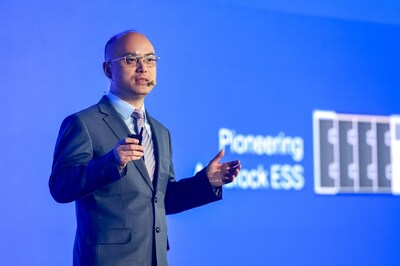
HEFEI, China, April 27, 2026 /PRNewswire/ -- Sungrow, the globally leading PV inverter and energy storage system (ESS) provider, presented its full-scenario solution at Sungrow GRES (Global Renewable Energy Summit) 2026 on April 24th, outlining how integrated energy solutions can address the surging power demands and structural challenges facing industries worldwide.
Sectors such as mining & microgrid, hydrogen production, and EV charging are expanding at an unprecedented speed, with power supply becoming increasingly critical. According to third-party analysis, combined annual electricity demand from these sectors is expected to reach 4,000 TWh by 2030, while the power costs have already become a major operational challenge.
Despite a shared demand for reliable and affordable electricity, each industry faces unique pain points. Additionally, the wide divergence in operating environments, grid strength, load conditions, and power quality requirements underscores the need for scenario-specific energy solutions. Sungrow believes that premium, customized energy solutions are essential to addressing the diverse needs of different scenarios.
Customized Designs for Full-Scenario Applications
AIDC Scenario
In the digital era, rapid advances in AI are driving a surge in data center power demand, calling for a next-generation power supply architecture defined by high efficiency, high density, and strong resilience. Leveraging its expertise in power electronics and renewable energy, Sungrow entered the AIDC (Artificial Intelligence Data Center) sector last year with a comprehensive grid-to-chip solution. This year, Sungrow will launch a dedicated SST (Solid-State Transformers) solution for data centers, significantly reducing footprint while improving efficiency. Sungrow will also integrate grid-forming technology in AIDC ESS to mitigate grid disturbances and enhance system stability.
Mining Microgrid Scenario
Most mines are located in remote areas with limited grid access, complex loads, and strict power stability requirements, making energy supply a significant challenge. Sungrow addresses this with an integrated PV–wind–storage–EV charger–controller solution, reducing energy costs by 20–50% compared with a diesel generator. Given the variability of mining loads, Sungrow leverages advanced simulation capabilities to deliver tailored solutions with optimized equipment configurations, ensuring a reliable power supply and reduced CAPEX. Moreover, a five-level progressive protection system further safeguards stable operations under extreme conditions.
PV-ESS-EV Charging Integrated Scenario
Many EV charging projects suffer from poor coordination among system components, resulting in underperformance and reduced returns. Sungrow addresses this challenge with a one-stop, fully integrated solution that enables deep synergy across equipment and incorporates AI-driven operations, increasing overall revenue by more than 50%. Meanwhile, grid-forming technology has been extended to C&I applications to mitigate grid fluctuations caused by large-scale ultra-fast charging. In addition, Sungrow's systems enable seamless integration with VPPs (Virtual Power Plants) through unified interfaces, unlocking greater value through diversified, future-ready revenue streams.
Hydrogen Production Scenario
In hydrogen production applications, Sungrow optimizes equipment configuration, reducing CAPEX by over 20% through PV–wind–storage–hydrogen integration and system-level simulation. In parallel, PV–storage–hydrogen DC coupling and flexible production technologies enhance energy efficiency and lower electricity costs by more than 10%.
Powering the Next Phase of Energy Transition
Renewable energy is shifting from a supplementary resource to a primary power source. This transition drives demand for premium energy solutions built on multi-energy integration for cost-efficient power, systematic grid-forming technologies for enhanced stability, and customized designs tailored to diverse scenarios. Sungrow believes that the deep integration of premium products and proven expertise is key to delivering truly scenario-adapted solutions.
Looking ahead, Sungrow will continue to build a more flexible, resilient, and sustainable energy landscape, helping industries meet growing energy demand and accelerate the transition to a low-carbon future.
About Sungrow
Sungrow, a global leader in renewable energy technology, has pioneered sustainable power solutions for over 29 years. As of Dec 2025, Sungrow has installed over 1000 GW of power electronic converters worldwide. The company is recognized as the world's most bankable PV inverter and energy storage company (BloombergNEF). Its innovations power clean energy projects across the globe, supported by a network of 520 service outlets guaranteeing excellent customer experiences. At Sungrow, we're committed to bridging to a sustainable future through cutting-edge technology and unparalleled service. For more information, please visit: www.sungrowpower.com/en

Photo - https://mma.prnewswire.com/media/2966153/image1.jpg
Logo - https://mma.prnewswire.com/media/1344575/Logo.jpg
 View original content:https://www.prnewswire.co.uk/news-releases/sungrow-unveils-full-scenario-solution-to-address-emerging-global-energy-challenges-302754059.html

Die Vereinte Dienstleistungsgewerkschaft Verdi hat Beschäftigte der Postbank zu bundesweiten Warnstreiks aufgerufen und damit den laufenden Tarifkonflikt mit dem Deutsche‑Bank‑Konzern eskaliert. Für Donnerstag, den 30. April, und Samstag, den 2. Mai, sind Arbeitsniederlegungen im Filialvertrieb geplant. Kunden müssen sich darauf einstellen, dass zahlreiche Standorte vorübergehend schließen oder ihren Betrieb deutlich einschränken. In Delmenhorst etwa blieb die Filiale an der Mühlenstraße am Donnerstag komplett geschlossen, betroffen waren dort auch die Schalter der Deutschen Post.
Verdi verhandelt für rund 9000 Beschäftigte der ehemaligen Postbank, die seit 2018 vollständig zur Deutschen Bank gehört. Die Gewerkschaft fordert eine Erhöhung der Gehälter um acht Prozent, mindestens jedoch 300 Euro pro Monat. Auszubildende sollen 200 Euro mehr erhalten. Darüber hinaus drängt Verdi auf Beschäftigungs- und Standortsicherung sowie einen verbindlichen Rechtsanspruch auf Weiterbildung, etwa im Zusammenhang mit neuen Technologien wie Künstlicher Intelligenz.
Verdi-Verhandlungsführer Jan Duscheck kritisierte das bisherige Angebot der Arbeitgeberseite als unzureichend. Es spiegele weder die wirtschaftliche Lage der Deutschen Bank noch die hohe Belastung in den Betrieben wider, sagte er. Mit den Warnstreiks wollten die Beschäftigten ein Signal senden, dass sie bereit seien, für „faire Einkommen und verlässliche Perspektiven“ einzutreten. Bereits nach der ersten Verhandlungsrunde am 15. April hatte die Gewerkschaft Protestmaßnahmen angekündigt; in einer früheren Tarifrunde im Jahr 2024 waren nach mehreren Runden und wiederholten Warnstreiks Einschränkungen im Kundenservice die Folge.
Im Mittelpunkt der laufenden Tarifrunde stehen neben der Entgeltfrage auch die Folgen der Integration der Postbank in die Deutsche Bank. Filialschließungen, organisatorische Veränderungen und die generelle Transformation der Privatkundenbank sorgen nach Angaben von Verdi in vielen Bereichen für Verunsicherung unter den Beschäftigten. Wie stark die aktuellen Warnstreiks den Betrieb der Filialen an den beiden Aktionstagen tatsächlich beeinträchtigen werden, dürfte auch die Ausgangslage für die nächste Verhandlungsrunde prägen, die für den 18. Mai in Frankfurt angesetzt ist.