Chosen by Customers Worldwide, LG's InstaView™ Refrigerator Innovation Continues to Redefine the Kitchen Experience a Decade After Its Debut
News Summary
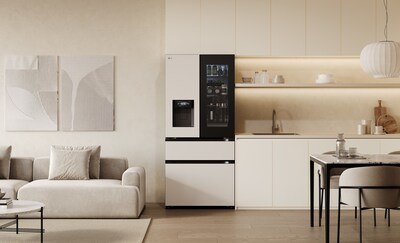
SEOUL, South Korea, July 24, 2026 /PRNewswire/ -- LG Electronics' (LG) InstaView™ refrigerator, which allows users to see inside without opening the door, has reached a major milestone on its 10th anniversary, surpassing 5.3 million units in cumulative global sales since its 2016 launch.
Trusted by Consumers Around the World
Since launching the LG InstaView refrigerator in 2016, LG has sold a remarkable 5.3 million units – equivalent to selling roughly one unit every minute.
LG InstaView refrigerator has seen strong customer demand globally, with North America representing its strongest market and accounting for about 30 percent of cumulative sales to date. In Europe, InstaView refrigerator has also been well received by consumers who place high value on energy efficiency, sustainability and food preservation performance. Sales are also steadily rising in Asia and Latin America, driven by growing demand for premium appliances.
An Innovation That Redefined the Refrigerator
InstaView redefined how consumers interact with their refrigerators by allowing them to see inside without opening the door. This feature allows users to check the fridge's contents without opening the door and helps reduce unnecessary cold-air loss associated with frequent door opening. Over the past decade, its innovation has been recognized by international media and honored with numerous accolades from major global design and innovation awards, including the Red Dot Design Award, iF Design Award, IDEA, and the CES Innovation Award.
From Functional Benefit to Lifestyle Value
LG's analysis of global customer reviews shows that consumer appreciation for the InstaView refrigerator and its eponymous feature has evolved over time, shifting from an initial focus on the functional benefits to the overall sense of satisfaction that it provides. While early feedback centered on the convenience of knocking twice to see inside and the reduction of cold air loss, more recent reviews increasingly highlight InstaView's refined design and the enjoyment it brings to everyday kitchen use.
"For a decade now, LG InstaView refrigerator has stood as a testament to our leadership in the home appliance market and to our deep understanding of customers' lifestyles," said Baek Seung-tae, president of the LG Home Appliance Solution Company. "This milestone reflects our success in creating not just an innovative feature, but a more convenient and enjoyable kitchen experience. Building on our advanced AI, refrigeration and food preservation technologies, we will continue to lead the evolution of the kitchen experience with customer-centric innovations."
About LG Electronics Home Appliance Solution Company
The LG Home Appliance Solution Company (HS) is a global leader in home appliances and AI home solutions. By leveraging industry-leading core technologies, the HS Company is committed to enhancing consumers' quality of life and promoting sustainability. The company develops thoughtfully designed kitchen and living appliance solutions and has recently integrated LG's Robot Business Division to incorporate advanced robot technologies into its home solutions. Together, these products offer enhanced convenience, exceptional performance, efficient operation and sustainable lifestyle solutions. For more news on LG, visit www.LG.com/global/newsroom/.
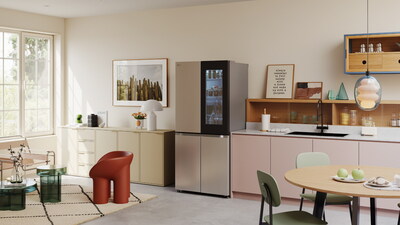
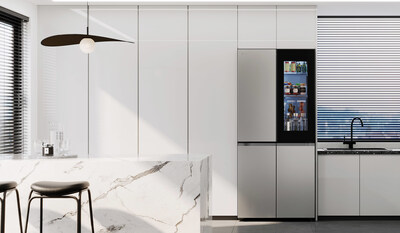
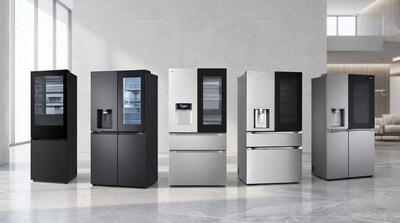
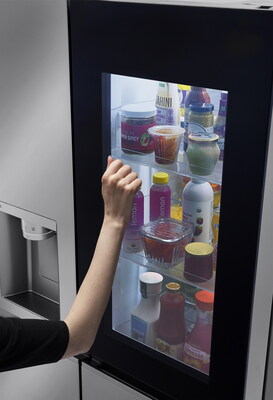
Photo - https://mma.prnewswire.com/media/3007470/1__featured.jpg
Photo - https://mma.prnewswire.com/media/3007471/2.jpg
Photo - https://mma.prnewswire.com/media/3007472/3.jpg
Photo - https://mma.prnewswire.com/media/3007468/4.jpg
Photo - https://mma.prnewswire.com/media/3007469/5.jpg
 View original content:https://www.prnewswire.co.uk/news-releases/lg-instaview-refrigerator-surpasses-5-3-million-in-global-sales-302834020.html

Die Zahl der Demenzerkrankungen in Deutschland könnte bis 2060 deutlich ansteigen und das Versorgungssystem spürbar unter Druck setzen. Nach neuen Prognosen des Wissenschaftlichen Instituts der AOK (WIdO) dürfte die Zahl der Betroffenen bei weiter steigender Lebenserwartung von derzeit rund 1,3 Millionen auf bis zu 2,1 Millionen zunehmen. Grundlage der Berechnungen ist ein kleinräumiges Prognoseverfahren, das das Institut gemeinsam mit den Universitäten Trier, Rostock und Köln entwickelt hat.
Die Analyse reicht hinunter bis auf die Ebene von 400 Kreisen und kreisfreien Städten und macht deutliche regionale Unterschiede sichtbar. Bereits 2020 lag der Anteil der Demenzkranken zwischen 1,0 Prozent in Tübingen und 2,6 Prozent in der brandenburgischen Prignitz. Für das Jahr 2060 erwarten die Forscher eine Spanne von 1,7 Prozent Demenzkranken in München bis zu 6,2 Prozent im Landkreis Elbe-Elster in Brandenburg. Besonders betroffen sind damit vor allem ländliche Regionen im Osten, die überdurchschnittlich altern.
Parallel zur wachsenden Zahl von Demenzfällen schrumpft der Pool potenzieller Pflege- und Betreuungspersonen im Erwerbsalter. Laut Studie kamen im Jahr 2020 rechnerisch noch 38 Menschen im erwerbsfähigen Alter auf einen Demenzfall. Bis 2060 dürfte dieses Verhältnis auf 21 Erwerbspersonen pro Fall sinken. Damit würden deutlich mehr Erkrankte von einer deutlich kleineren Zahl potenziell Erwerbstätiger versorgt werden müssen – mit entsprechenden Konsequenzen für Pflegeinfrastruktur, Kommunen und Sozialversicherungen.
Die Autoren der Studie betonen zugleich, dass der prognostizierte Anstieg nicht zwangsläufig ist. Nach heutigem wissenschaftlichem Stand lassen sich Demenzrisiken durch Prävention spürbar senken. Eine konsequentere Behandlung von Bluthochdruck und Diabetes, der Verzicht auf Rauchen oder ein höheres Bildungsniveau könnten dazu beitragen, etwa die Hälfte der Neuerkrankungen zu vermeiden. In einem solchen Szenario würde sich die Zahl der Demenzfälle im Jahr 2060 nicht weiter erhöhen, sondern sich auf einem Niveau zwischen 1,3 und 1,5 Millionen stabilisieren. Die Spannbreite der Projektionen zeigt damit, wie stark der künftige Versorgungsdruck von heute eingeleiteten Präventionsstrategien abhängen dürfte.