KRAKOW, Poland, April 9, 2026 /PRNewswire/ -- Bizcap, a global non-bank provider of fast, flexible and safe funding solutions for small and medium enterprises (SMEs), is exploring Poland as a potential new market as part of its strategy to expand lending operations across Europe.
The move builds on Bizcap's growing European presence, with operations launched in Luxembourg in July 2025 and lending expanded into Germany in October 2025. Since inception, Bizcap has funded more than $5 billion globally and now operates across Australia, New Zealand, Singapore, the UK, Europe, and Canada.
With a team of more than 200 staff worldwide, the company has built a proven model focused on fast approvals, flexible funding structures, and a broader credit assessment approach designed to support SMEs that are often underserved by traditional lenders. Bizcap will enter Poland as one of the fastest-growing non-bank lenders globally, seeking to create jobs and invest significant funds into the local economy.
Bizcap's model is designed to help SMEs access capital quickly when timing is critical. Unlike traditional lenders, it blends advanced technology and a human-centric approach to assess credit and can often provide approvals in as little as three hours. The company also works closely with brokers, advisers and referral partners to deliver funding solutions suited to business needs.
As part of this next phase of growth, Bizcap has appointed Oskar Kowalski as Managing Partner to lead Bizcap's expansion strategy across Eastern Europe, with an immediate focus on Poland.
Poland presents an attractive opportunity, with a strong SME sector and growing demand for alternative funding where traditional bank processes can be rigid or slow. Bizcap believes these market dynamics align strongly with its proven non-bank lending model and create a compelling opportunity to assess product-market fit in the region.
"Oskar has been closely connected to Bizcap since our early days and understands both our vision and the opportunity ahead," said Zalman Blachman, Co-Founder and Co-CEO of Bizcap.
"As we continue to scale globally, we're focused on identifying markets where our model can genuinely support small businesses and where there is strong product-market fit. Poland represents a compelling opportunity as we evaluate our next phase of European expansion," he said.
Kowalski, who is originally from Poland and spent most of his life in the US, is now returning to the country and will lead Bizcap's on-the-ground exploration of the market and broader regional opportunities.
"Poland is one of the fastest-growing economies in Europe – a true brain powerhouse, driven largely by small and medium businesses with thousands of ambitious entrepreneurs looking to grow. There is a clear opportunity to explore how Bizcap's fast, flexible funding solutions could support that ecosystem," he said.
Kowalski brings more than 15 years of experience across investment banking, private equity, venture capital, and alternative finance. He has a long-standing relationship with Bizcap – he co-founded NewCo Capital Group, Bizcap's US affiliate.
He also previously co-founded Luxemark Capital, now LM Capital Solutions, in 2017, the first merchant cash advance syndication platform of its kind, which facilitated more than $1 billion in funded advances since inception. The company was acquired by CCUR Holdings in 2019.
A two-time recipient of Poland's Outstanding Pole Abroad Award by Teraz Polska Foundation, Kowalski is a frequent public speaker and has been featured in Forbes and Bloomberg.
Blachman said Bizcap's exploration of Poland reflects the company's disciplined approach to global growth and its commitment to supporting SMEs in markets where access to capital remains a challenge.
"SMEs are the backbone of every economy, and our focus is on identifying regions where we can responsibly scale and support business growth with fast, flexible access to capital," he said.
 View original content:https://www.prnewswire.co.uk/news-releases/global-non-bank-lender-bizcap-eyes-poland-as-sme-funding-demand-grows-in-europe-302736703.html

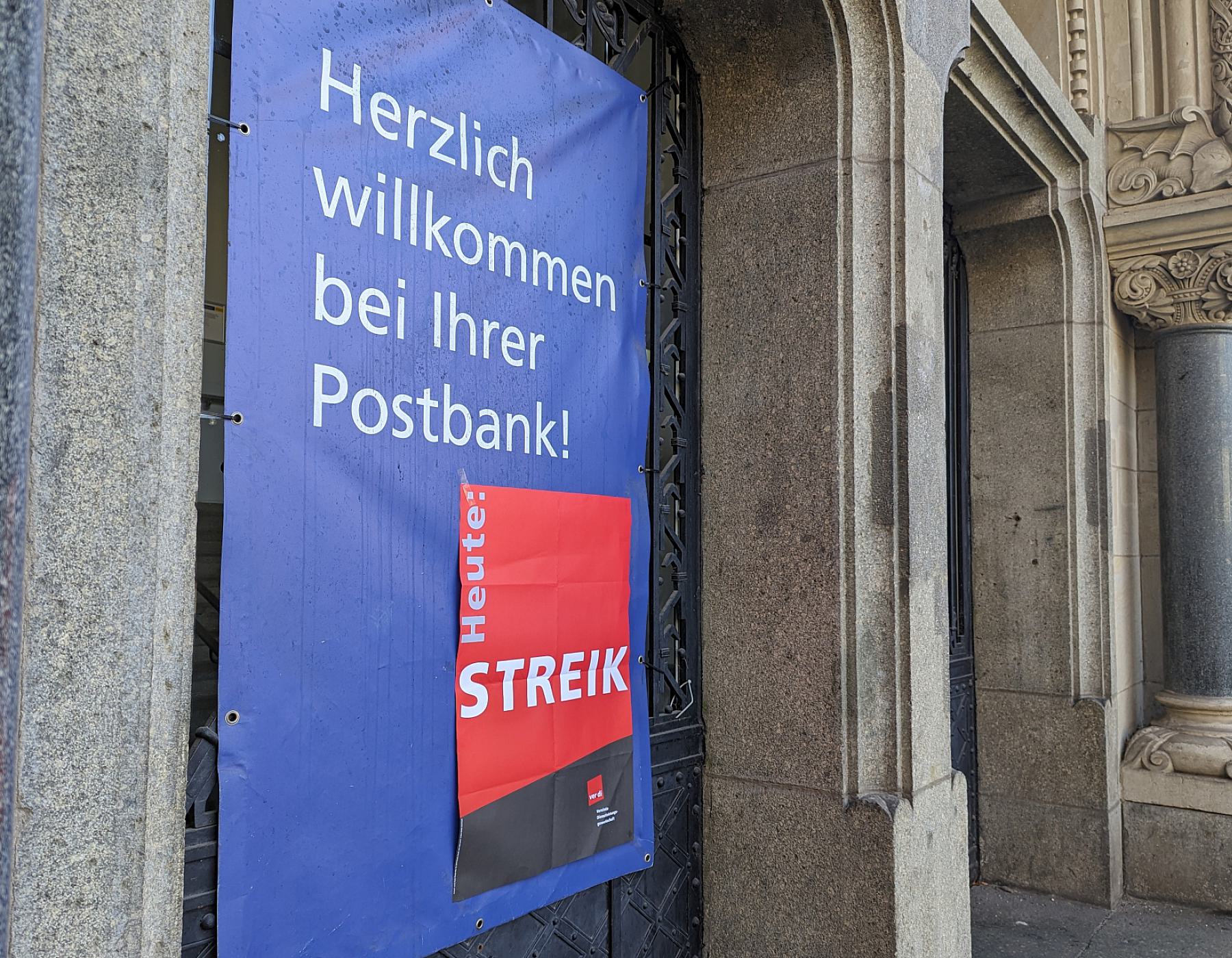
Die Vereinte Dienstleistungsgewerkschaft Verdi hat Beschäftigte der Postbank zu bundesweiten Warnstreiks aufgerufen und damit den laufenden Tarifkonflikt mit dem Deutsche‑Bank‑Konzern eskaliert. Für Donnerstag, den 30. April, und Samstag, den 2. Mai, sind Arbeitsniederlegungen im Filialvertrieb geplant. Kunden müssen sich darauf einstellen, dass zahlreiche Standorte vorübergehend schließen oder ihren Betrieb deutlich einschränken. In Delmenhorst etwa blieb die Filiale an der Mühlenstraße am Donnerstag komplett geschlossen, betroffen waren dort auch die Schalter der Deutschen Post.
Verdi verhandelt für rund 9000 Beschäftigte der ehemaligen Postbank, die seit 2018 vollständig zur Deutschen Bank gehört. Die Gewerkschaft fordert eine Erhöhung der Gehälter um acht Prozent, mindestens jedoch 300 Euro pro Monat. Auszubildende sollen 200 Euro mehr erhalten. Darüber hinaus drängt Verdi auf Beschäftigungs- und Standortsicherung sowie einen verbindlichen Rechtsanspruch auf Weiterbildung, etwa im Zusammenhang mit neuen Technologien wie Künstlicher Intelligenz.
Verdi-Verhandlungsführer Jan Duscheck kritisierte das bisherige Angebot der Arbeitgeberseite als unzureichend. Es spiegele weder die wirtschaftliche Lage der Deutschen Bank noch die hohe Belastung in den Betrieben wider, sagte er. Mit den Warnstreiks wollten die Beschäftigten ein Signal senden, dass sie bereit seien, für „faire Einkommen und verlässliche Perspektiven“ einzutreten. Bereits nach der ersten Verhandlungsrunde am 15. April hatte die Gewerkschaft Protestmaßnahmen angekündigt; in einer früheren Tarifrunde im Jahr 2024 waren nach mehreren Runden und wiederholten Warnstreiks Einschränkungen im Kundenservice die Folge.
Im Mittelpunkt der laufenden Tarifrunde stehen neben der Entgeltfrage auch die Folgen der Integration der Postbank in die Deutsche Bank. Filialschließungen, organisatorische Veränderungen und die generelle Transformation der Privatkundenbank sorgen nach Angaben von Verdi in vielen Bereichen für Verunsicherung unter den Beschäftigten. Wie stark die aktuellen Warnstreiks den Betrieb der Filialen an den beiden Aktionstagen tatsächlich beeinträchtigen werden, dürfte auch die Ausgangslage für die nächste Verhandlungsrunde prägen, die für den 18. Mai in Frankfurt angesetzt ist.

,regionOfInterest=(1024,613)&hash=407c48b810ef0d4297903e7c5c8fb10e70833f84a9601e8f67fb26ca0598250f)